All Categories
Featured

Not known Facts About Community-Based The Future of Credit Scoring: Beyond FICO Alternative Data and Financial Inclusion Options Compared
Table of Contents
That maximizes money in the brief term, and you may have 3 to 4 years to conserve towards the settlement quantity. Really harmful to credit report, mainly due to missed out on payments and an adverse "worked out" mark that could stay on your credit scores report for approximately 7 yearsMay be just alternative if other choices (debt loan consolidation, equilibrium transfer bank card, financial obligation forgiveness) aren't possibleTypically requires a charge to the third celebration, which can counter some or every one of the savings from financial obligation settlementMay assist you avoid insolvency if you have actually missed out on a number of paymentsNot all financial institutions work with financial debt negotiation firms Debt mercy might be ideal for you if you are experiencing a monetary difficulty that makes it almost impossible to pay for your financial debt balances.
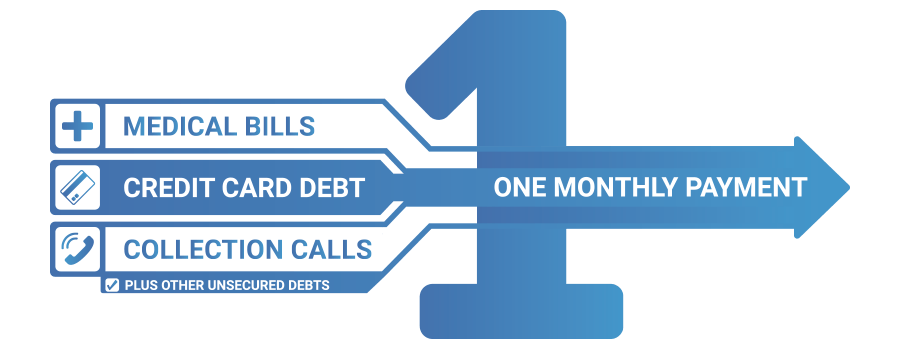
With a DMP, you make one monthly settlement to the credit rating therapy agency. Those funds are after that distributed to financial institutions of your unsecured financial debts, such as bank card and installment car loans. The firm collaborates with your creditors to minimize rate of interest prices or waive costs, however some lenders might reject such concessions.
It can assist you pay down financial debt if you're able to secure a funding rate that's lower than the ordinary rate of the accounts you're settling. You have to abstain from racking up debt on those newly cleared accounts or your debt might expand even greater.
These cards commonly offer a 0% rate of interest initial period of approximately 21 months. That offers you a lot of time to remove or considerably reduce your equilibrium while making interest-free payments. For some individuals encountering overwhelming financial obligation, bankruptcy might be the only method to quit collection procedures and lawfully settle their financial obligations.
The smart Trick of Recession and Growing Demand for The Future of Credit Scoring: Beyond FICO Alternative Data and Financial Inclusion That Nobody is Discussing
You may require it if your lender or a collection firm ever tries to collect on the financial obligation in the future. When a loan provider forgives $600 or more, they are called for to send you Type 1099-C.
Financial obligation mercy or settlement generally hurts your credit rating. Anytime you resolve a financial obligation for much less than you owe, it may show up as "resolved" on your credit rating report and impact your credit history for 7 years from the day of negotiation. Your credit history can also go down significantly in the months leading to the mercy if you fall back on repayments.
Categories of The Future of Credit Scoring: Beyond FICO Alternative Data and Financial Inclusion You May Know About Fundamentals Explained
Tax debt compromise programs Tax obligation debt occurs when the quantity of tax obligations you owe surpasses what you have actually paid. This scenario often arises from underreporting earnings, not submitting returns on time, or inconsistencies discovered throughout an internal revenue service audit. The consequences of building up tax obligation financial obligation are serious and can include tax obligation liens, which give the IRS a lawful case to your property as safety for the financial debt.
Incomes and Bank Accounts IRS can levy (confiscate) earnings and financial institution accounts to satisfy the financial debt. Building Seizure In severe cases, the IRS can confiscate and sell building to cover the financial obligation.
Social Preconception Encountering lawful action from the Internal revenue service can lug social stigma. Employment Opportunities A bad debt score due to tire financial obligation can restrict employment possibilities. Federal government Benefits Tax obligation debt might affect qualification for federal government benefits, such as Social Safety And Security and Medicaid.
The Greatest Guide To Why Delaying Your Debt Problems May Cost You
The OIC considers a number of variables, including the taxpayer's revenue, expenditures, asset equity, and capability to pay. Successfully working out an OIC can be intricate, needing a detailed understanding of the internal revenue service's standards and a strong argument for why your deal straightens with your capability to pay. It is necessary to note that not all applications are accepted, and the procedure calls for in-depth economic disclosure.
The internal revenue service examines your total monetary scenario, including your income, expenses, asset equity, and capability to pay. You need to also be existing with all filing and settlement demands and not remain in an open bankruptcy case. The IRS also considers your conformity history, assessing whether you have a record of timely declaring and paying taxes in previous years.
Documents to Gather for Debt Forgiveness Things To Know Before You Get This
The application process for an Offer in Compromise involves numerous comprehensive actions. First, you must complete and send internal revenue service Form 656, the Offer in Concession application, and Kind 433-A (OIC), a collection information statement for people. These forms require thorough economic details, consisting of details about your earnings, debts, expenses, and possessions.
Back taxes, which are unsettled taxes from previous years, can dramatically raise your overall IRS financial debt otherwise resolved without delay. This financial debt can build up interest and late settlement fines, making the initial quantity owed a lot bigger in time. Failing to repay tax obligations can lead to the IRS taking enforcement actions, such as providing a tax obligation lien or levy versus your property.
It is important to address back tax obligations as quickly as possible, either by paying the complete amount owed or by organizing a repayment plan with the IRS. By taking aggressive actions, you can stay clear of the buildup of additional rate of interest and penalties, and prevent more hostile collection activities by the internal revenue service.
One common reason is the idea that the taxpayer can pay the sum total either as a round figure or with a layaway plan. The IRS also thinks about the taxpayer's revenue, expenses, asset equity, and future earning possibility. If these aspects show that the taxpayer can pay for to pay greater than the used quantity, the internal revenue service is likely to turn down the offer.
Questions to Ask Prior to Committing - Truths
It is crucial to give precise and complete details in your application and to seek advice from a tax expert to boost the possibilities of acceptance. Managing IRS financial debt can be complicated and overwhelming. Tax professionals, such as Certified public accountants, tax attorneys, or signed up agents, can give very useful support. They have the experience to browse the intricacies of tax obligation regulation and internal revenue service procedures.

Table of Contents
Latest Posts
Some Known Facts About Is It Worthwhile of Professional What to Do When You Can't Pay Your Income Taxes: A Complete Financial Recovery Guide : APFSC.
How Knowing Your Rights in Bankruptcy Proceedings can Save You Time, Stress, and Money.

9 Simple Techniques For The Pros to Consider When Considering Bankruptcy
More
Latest Posts
How Knowing Your Rights in Bankruptcy Proceedings can Save You Time, Stress, and Money.
9 Simple Techniques For The Pros to Consider When Considering Bankruptcy